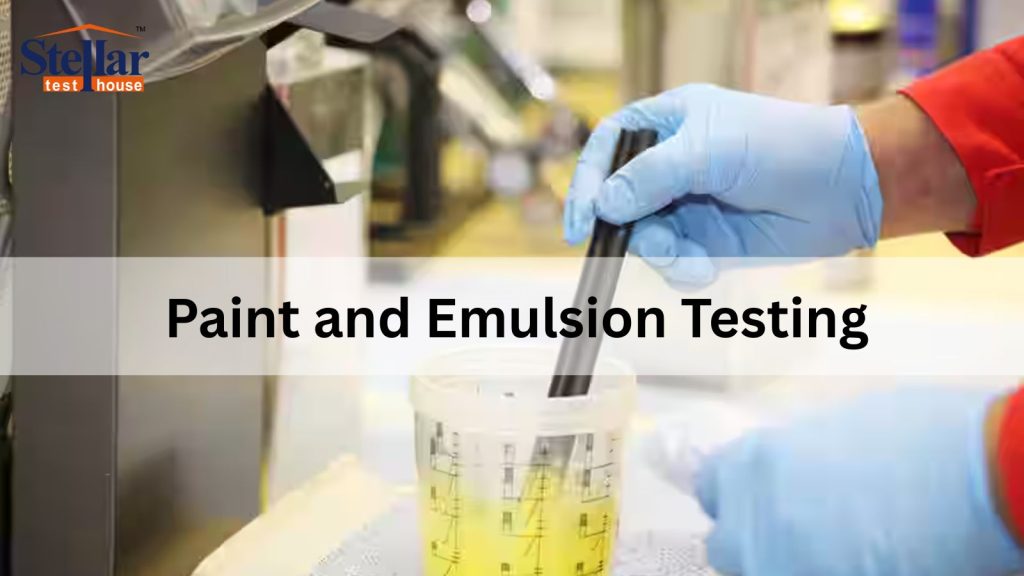
Paints and emulsions do much more than add color to surfaces. They protect structures, improve aesthetics, and extend the lifespan of everything from walls and metal parts to industrial equipment. But the quality of paint can vary widely, and without proper testing, even a strong-looking product can fail within months. That is where Paint and Emulsion Testing becomes essential.
Whether you are a manufacturer, contractor, architect, or end-user, understanding how testing works—and why it matters—helps you make better decisions and avoid costly failures. This guide explains the importance, process, and benefits of using the best paint testing lab for ensuring quality, durability, and long-term performance.
Why Paint and Emulsion Testing Is Important
A coat of paint looks simple, but its performance depends on several chemical and physical properties. When paint fails, it can lead to peeling, cracking, fading, corrosion, and even safety risks in industrial environments. Testing helps identify these weaknesses before a product reaches the market or before it is applied to surfaces.
Here are the main reasons testing is crucial:
1. Ensures Durability
High-quality paint should withstand daily wear, sunlight, moisture, temperature variations, and dust. Testing verifies that the paint will not fade, blister, or lose strength prematurely.
2. Validates Safety Standards
Paint used in industrial, residential, and commercial areas must meet safety standards. Tests confirm that the product does not contain harmful chemicals, toxic fumes, or unsafe compounds.
3. Improves Product Quality
Manufacturers use Paint and Emulsion Testing to evaluate raw materials, pigments, binders, and additives. This helps them create consistent and reliable paint formulations.
4. Reduces Failures and Complaints
A paint failure can be expensive. Testing eliminates issues early, reducing customer complaints, maintenance costs, and warranty claims.
5. Supports Market Competitiveness
Brands that invest in the Best Paint and Emulsion Testing gain a competitive edge. They build trust and demonstrate commitment to quality.
Key Properties Checked During Paint and Emulsion Testing
To determine how well a paint or emulsion will perform, laboratories examine several properties. These tests help paint manufacturers assess product reliability and ensure compliance with national and international standards.
1. Adhesion Strength
Adhesion tests measure how strongly the paint sticks to a surface. Poor adhesion leads to peeling or flaking.
2. Viscosity & Consistency
These tests measure thickness and flow. A paint that’s too thick may not spread evenly, while one that’s too thin may not cover surfaces properly.
3. Gloss and Appearance
Gloss level affects the final finish. Testing ensures accurate shine, smoothness, and visual appeal.
4. Weather Resistance
Exposure to UV rays, humidity, and temperature fluctuations can damage coatings. Labs simulate natural weathering conditions to evaluate durability.
5. Chemical Resistance
Industrial paints often face oils, chemicals, and cleaning agents. Testing ensures the paint can survive harsh environments.
6. Drying Time
Quick, consistent drying is crucial for construction and industrial projects. Testing confirms that drying happens within the desired period.
7. Color Stability
Color fading affects aesthetics and brand image. Labs check how well the paint retains its original color over time.
8. Washability
Interior paints must withstand cleaning and washing. Testing checks whether the coating resists stains without damage.
Types of Paint and Emulsion Testing Commonly Performed
laboratories offering the Best Paint and Emulsion Testing services use advanced tools and scientific methods. Common tests include:
- Scratch hardness test
- Impact resistance test
- Salt spray test (for corrosion resistance)
- Tensile and abrasion resistance test
- Opacity and coverage test
- pH and chemical composition analysis
- Film thickness measurement
- Surface drying and hard drying tests
Each test reveals something important about the paint’s future performance.
Industry Standards Followed by the Best Laboratories
A professional best paint testing lab follows recognized national and international standards, such as:
- BIS (Bureau of Indian Standards)
- ASTM standards
- ISO standards
- NABL accreditation guidelines
These standards ensure accuracy, reliability, and consistency, making the test reports credible for both local and global markets.
Who Needs Paint and Emulsion Testing?
Paint testing benefits almost every sector, including:
- Paint manufacturers
- Construction companies
- Architects and interior designers
- Automobile and metal component manufacturers
- Real estate developers
- Industrial equipment manufacturers
For businesses selling or applying paints, using the best paint testing lab guarantees superior results and long-lasting finishes.
Benefits of Using a Professional Paint Testing Laboratory
Choosing a certified lab provides several advantages:
1. Accurate Results
Advanced equipment and expert technicians deliver reliable, scientific test outcomes.
2. Improved Product Development
Manufacturers can refine formulas and fix problems early in production.
3. Cost Savings
Testing reduces chances of paint failure, saving money on rework, replacements, and repairs.
4. Better Compliance
Industries follow strict quality rules. Testing ensures products meet all regulatory standards.
5. Enhanced Customer Satisfaction
High-performing paint leads to fewer complaints and better customer trust.
How to Choose the Best Paint Testing Lab
Not all labs offer the same level of quality. When choosing one, consider:
- NABL accreditation
- Experience in paint and coating testing
- Availability of modern instruments
- Clear reporting and data interpretation
- Fast turnaround time
- Wide range of tests under one roof
Selecting the right lab ensures you get the Best Paint and Emulsion Testing possible.
Conclusion
Paints and emulsions play a crucial role in protecting surfaces, improving durability, and enhancing appearance. But their performance depends on quality—and quality depends on testing. With proper Paint and Emulsion Testing, manufacturers, builders, and industries can avoid failures and achieve long-lasting results.
Working with the best paint testing lab ensures every batch of paint meets high standards for strength, appearance, safety, and durability. In an industry where quality defines reliability, testing is not just a requirement—it is a responsibility.
CryptoCasino Philippines: Register & Login today for a massive Sign Up Bonus. Play top Crypto Slots and enjoy a seamless mobile experience with our App Download. Experience the best crypto slots at CryptoCasino Philippines. Register or login now to claim your massive sign up bonus. Enjoy seamless mobile gaming on the go—complete your CryptoCasino app download today and start winning! visit: CryptoCasino