
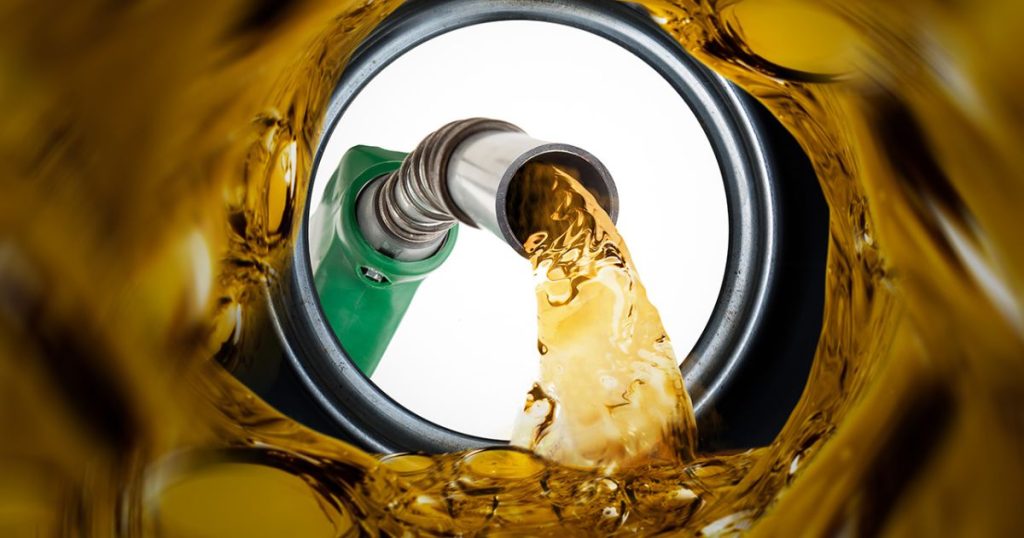
Fuel quality directly affects the performance, efficiency, and lifespan of engines and industrial equipment. Whether it is petrol used in automobiles or diesel used in generators, heavy machinery, and transportation, maintaining fuel quality is essential for safe and reliable operation. This is where a professional Fuel Testing Lab plays a crucial role.
A NABL-accredited laboratory performs accurate Fuel and Oil Testing to determine whether fuel meets the required quality standards and regulatory specifications. From checking contamination and sulphur content to measuring flash point and density, laboratory testing helps industries, fuel suppliers, and vehicle owners make informed decisions.
In this guide, you’ll learn everything about fuel testing, diesel and petrol quality analysis, testing methods, standards, applications, and how to choose the best Fuel testing lab for your requirements.
What is a Fuel Testing Lab?
A Fuel Testing Lab is a specialized laboratory that evaluates the physical, chemical, and performance characteristics of different fuels and lubricants. These laboratories test products such as:
- Petrol
- Diesel
- Furnace Oil
- Biodiesel
- Aviation Fuel
- Lubricating Oils
- Industrial Oils
- Hydraulic Oils
- Transformer Oils
Testing ensures that fuel complies with BIS, ASTM, ISO, and other recognized standards before it reaches consumers or industrial applications.
Why is Fuel Quality Testing Important?
Poor-quality fuel can lead to several operational problems, including:
- Engine knocking
- Reduced fuel efficiency
- Injector blockage
- Increased emissions
- Corrosion in fuel systems
- Equipment failure
- Higher maintenance costs
Regular Fuel and Oil Testing helps identify contamination, degradation, and non-compliance before these issues become expensive.
Fuel and Oil Testing Services
Professional laboratories provide comprehensive Fuel and Oil Testing services for various industries.
These services include testing of:
- Petrol
- Diesel
- Furnace Oil
- Lubricating Oil
- Hydraulic Oil
- Gear Oil
- Transformer Oil
- Marine Fuel
- Industrial Fuel
- Biofuels
Testing is performed using advanced laboratory instruments to deliver reliable and repeatable results.
Petrol Testing Lab: Key Parameters Tested
A professional petrol testing lab evaluates multiple quality parameters to ensure safe and efficient engine performance.
Some of the most important tests include:
Density
Density affects combustion efficiency and fuel consumption.
Octane Number
The octane rating determines a fuel’s resistance to engine knocking.
Distillation Characteristics
This test measures fuel evaporation at different temperatures.
Vapour Pressure
Proper vapour pressure ensures easy engine starting and smooth operation.
Sulphur Content
Lower sulphur levels help reduce harmful emissions.
Gum Content
Excessive gum deposits can damage fuel injectors and engine components.
Copper Strip Corrosion
This test identifies the corrosive nature of fuel.
Diesel Testing Lab: Essential Test Parameters
A qualified diesel testing lab performs several important quality assessments.
Cetane Number
Indicates diesel ignition quality.
Flash Point
Measures the temperature at which diesel produces ignitable vapours.
Density
Ensures fuel meets performance specifications.
Sulphur Content
Important for environmental compliance.
Water Content
Water contamination can damage fuel systems and reduce engine efficiency.
Ash Content
Determines the amount of non-combustible material present.
Kinematic Viscosity
Ensures proper lubrication inside diesel engines.
Carbon Residue
Evaluates deposit-forming tendencies during combustion.
Common Fuel Testing Methods
Modern laboratories use internationally accepted methods for accurate analysis.
Typical testing methods include:
- Flash Point Testing
- Distillation Analysis
- Density Measurement
- Sulphur Analysis
- Water Content Testing
- Viscosity Testing
- Corrosion Testing
- Ash Content Analysis
- Carbon Residue Testing
- Colour and Appearance Inspection
Each method provides valuable information about fuel quality and performance.
Industries That Require Fuel Testing
Fuel testing is essential across numerous industries.
These include:
- Automotive Industry
- Oil & Gas Sector
- Construction Companies
- Mining Industry
- Power Plants
- Manufacturing Industries
- Aviation Sector
- Marine Industry
- Railways
- Fuel Suppliers
- Government Organizations
Routine testing helps maintain operational efficiency and regulatory compliance.
Benefits of Fuel and Oil Testing
Investing in professional Fuel and Oil Testing offers several advantages.
Improved Engine Performance
Clean, high-quality fuel allows engines to perform efficiently.
Lower Maintenance Costs
Early detection of contamination prevents costly repairs.
Better Fuel Efficiency
Quality fuel improves combustion and reduces consumption.
Environmental Compliance
Testing helps meet emission and pollution regulations.
Increased Equipment Life
Proper fuel quality reduces wear and extends equipment lifespan.
Reliable Operations
Regular testing minimizes unexpected equipment failures.
Standards Used in Fuel Testing
Professional laboratories perform testing according to recognized national and international standards.
Common standards include:
- BIS Standards
- ASTM Standards
- ISO Standards
- IP Test Methods
- EN Standards
Following these standards ensures consistency, accuracy, and regulatory acceptance.
How to Choose the Best Fuel Testing Lab
Selecting the best Fuel testing lab is essential for obtaining reliable and accurate results.
Consider the following factors:
NABL Accreditation
Choose laboratories accredited by NABL for technical competence.
Modern Laboratory Equipment
Advanced instruments provide precise and repeatable test results.
Experienced Technical Team
Qualified scientists ensure accurate testing and interpretation.
Wide Range of Testing Services
A comprehensive laboratory should test petrol, diesel, lubricants, and industrial oils.
Quick Turnaround Time
Timely reports support faster decision-making.
Regulatory Compliance
The laboratory should follow BIS, ASTM, and ISO testing procedures.
Looking for a Fuel Testing Laboratory Near Me?
Many industries search online for a fuel testing laboratory near me to ensure quick sample submission and faster report delivery.
When selecting a nearby laboratory, check for:
- NABL Accreditation
- Experienced technical staff
- Advanced testing facilities
- Comprehensive fuel analysis
- Transparent reporting
- Timely service
- Industry reputation
Choosing a trusted laboratory ensures dependable results and better operational decisions.
Why Regular Fuel Testing Matters
Fuel quality can deteriorate during storage, transportation, or handling. Contamination from water, dust, microorganisms, or other impurities may reduce performance and damage engines.
Routine testing helps:
- Detect contamination early
- Verify supplier quality
- Improve operational reliability
- Reduce equipment downtime
- Ensure regulatory compliance
- Protect valuable machinery
Regular testing is not only a quality measure but also a cost-saving practice for industries that rely on consistent fuel performance.
Conclusion
A reliable Fuel Testing Lab plays an important role in maintaining the quality, safety, and performance of petrol, diesel, and industrial fuels. Professional Fuel and Oil Testing helps identify contamination, verify compliance with national and international standards, and improve the efficiency of vehicles and industrial equipment.
Whether you need a trusted diesel testing lab, a specialized petrol testing lab, or are searching for a fuel testing laboratory near me, always choose a NABL-accredited laboratory with experienced professionals, advanced testing facilities, and a strong commitment to quality. Working with the best Fuel testing lab ensures accurate results, regulatory compliance, and long-term reliability for your operations.
Frequently Asked Questions (FAQs)
1. What is a Fuel Testing Lab?
A Fuel Testing Lab analyzes the physical and chemical properties of petrol, diesel, lubricants, and industrial fuels to ensure they meet quality and safety standards.
2. Why is Fuel and Oil Testing important?
Fuel and Oil Testing helps detect contamination, improves engine performance, reduces maintenance costs, and ensures compliance with industry standards.
3. What tests are performed in a diesel testing lab?
A diesel testing lab typically performs flash point, density, sulphur content, cetane number, viscosity, water content, ash content, and carbon residue testing.
4. What does a petrol testing lab check?
A petrol testing lab evaluates parameters such as octane number, density, vapour pressure, distillation, gum content, sulphur content, and corrosion characteristics.
5. How do I choose the best Fuel testing lab?
Look for NABL accreditation, experienced professionals, modern testing equipment, adherence to BIS/ASTM/ISO standards, comprehensive testing services, and timely reporting.
6. How often should fuel be tested?
Fuel should be tested before large-scale use, after long-term storage, when changing suppliers, or whenever contamination or performance issues are suspected.