
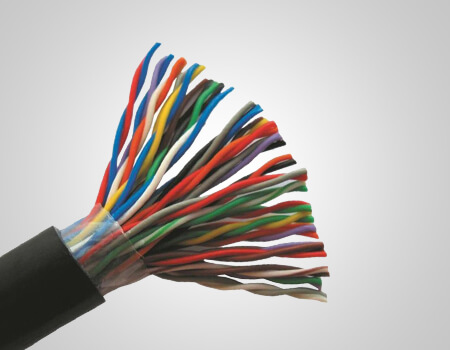
In the electrical industry, PVC insulated cables IS 694 are a crucial component for safe and efficient power distribution. These cables are widely used in residential, commercial, and industrial wiring due to their flexibility, durability, and safety features. However, to ensure quality and reliability, the Bureau of Indian Standards (BIS) has made it mandatory for manufacturers to obtain the ISI mark under IS: 694: 2010. This article outlines the BIS ISI Certification Process for PVC insulated cables, the importance of compliance, and how it ensures safety and trust in the market.
What is IS:694:2010?
IS: 694: 2010 is the Indian Standard that specifies the requirements for PVC insulated cables up to 1100V, used in power and lighting installations. These cables are typically used in indoor and outdoor applications where voltage does not exceed 1100 volts. The standard covers various types such as:
- PVC insulated unsheathed cable
- PVC sheathed cable IS 694
- Flexible conductor PVC cable
- Copper PVC insulated cable IS 694
- ISI marked PVC insulated cables in different sizes like 1.5 sq mm, 2.5 sq mm, 4 sq mm, etc.
The IS 694 standard ensures that cables meet strict quality, safety, and performance benchmarks including insulation resistance, conductor resistance, and high voltage testing.
Why BIS ISI Certification is Mandatory
The BIS ISI Certification Process is a regulatory requirement under the Compulsory Registration Scheme (CRS) in India. Any manufacturer producing or importing PVC insulated cables IS 694 must obtain ISI marking to legally sell the product in the Indian market.
The ISI mark assures consumers and stakeholders that the product conforms to IS: 694: 2010, providing guaranteed safety, reliability, and durability. Without this certification, products are considered non-compliant and may face legal penalties, product recalls, or rejection in the market.
Products Covered Under IS:694:2010
The following products are covered under this standard and require ISI certification:
- IS 694 PVC cable 1100V
- PVC insulated cable 1.5 sq mm / 2.5 sq mm / 4 sq mm
- Flexible conductor PVC cable (multi-strand)
- Copper PVC insulated cable IS 694
- PVC insulated unsheathed cable for internal wiring
- PVC sheathed cable IS 694 for outdoor or exposed installations
Step-by-Step BIS ISI Certification Process
Here’s how the BIS ISI Certification Process works for manufacturers of PVC insulated cables under IS 694:
1. Application Submission
The process begins by submitting an online application to BIS via their official portal. The applicant must provide:
- Company registration details
- Manufacturing unit address
- List of products to be certified
- Test reports (if available)
- Quality control plan
2. Product Testing at BIS-Recognized Labs
Samples of the PVC insulated cables must be tested at a BIS-approved laboratory. Testing includes:
- High-voltage test
- Conductor resistance
- Insulation resistance
- Flammability and heat shock tests
- Shrinkage and ageing tests
For example, PVC insulated cable 1.5 sq mm / 2.5 sq mm / 4 sq mm must be tested for current-carrying capacity, insulation quality, and mechanical strength.
3. Factory Audit by BIS Officials
Once the product passes lab testing, a team of BIS officers will visit the manufacturing unit to inspect:
- Production process
- Quality control systems
- In-house testing facilities
- Raw material storage and traceability
This step ensures that the facility can consistently manufacture cables as per IS: 694: 2010 standards.
4. Grant of ISI License
If the factory audit is successful and test results comply with the standard, BIS issues the ISI license. This allows the manufacturer to use the ISI mark on their cables.
For instance, a manufacturer can now label their products as ISI marked PVC insulated cables or PVC sheathed cable IS 694, indicating compliance.
5. Post-Certification Surveillance
BIS regularly monitors certified manufacturers through:
- Surprise inspections
- Market surveillance
- Random sample testing
This ongoing process ensures that the certified cables, such as Copper PVC insulated cable IS 694, continue to meet safety and quality requirements.
Benefits of BIS ISI Certification
✔ Consumer Confidence
The ISI mark boosts buyer trust by indicating that the cable is safe and conforms to Indian standards.
✔ Market Access
Certification opens doors to bulk sales in government, industrial, and infrastructure projects where ISI-marked cables are mandatory.
✔ Product Safety
Proper testing and quality control reduce the risk of short circuits, overheating, or electrical fires.
✔ Brand Reputation
Being a certified manufacturer improves brand credibility and positions the company as a trusted supplier.
Common Challenges Faced by Manufacturers
While the certification offers many benefits, manufacturers often face challenges such as:
- Delays in testing due to backlog at BIS labs
- Difficulty in maintaining quality standards consistently
- Inadequate in-house testing infrastructure
- Misunderstanding of technical requirements of IS 694
Partnering with a compliance consultant or certification expert can help streamline the process.
Conclusion
The BIS ISI Certification Process for PVC insulated cables under IS: 694: 2010 is an essential step in ensuring safety, performance, and compliance in the electrical cable industry. Whether it’s a PVC insulated unsheathed cable used for internal wiring or a PVC sheathed cable IS 694 used for external installations, certification guarantees that these products meet the rigorous standards expected in the Indian market.
Manufacturers must prioritize obtaining and maintaining ISI marked PVC insulated cables certification to stay competitive, ensure legal compliance, and deliver products that end users can trust. As demand continues to rise for safe and reliable wiring solutions, certified products like IS 694 PVC cable 1100V, Flexible conductor PVC cable, and Copper PVC insulated cable IS 694 will play a critical role in powering India’s infrastructure safely and sustainably.

Jilivs Casino Philippines: Jilivs Login, Register & Play Jilivs Slot – Official App Download Experience Jilivs Casino Philippines! Complete your Jilivs login or register today to play top-tier Jilivs slot games. Get the official Jilivs download app and win big! visit: jilivs