
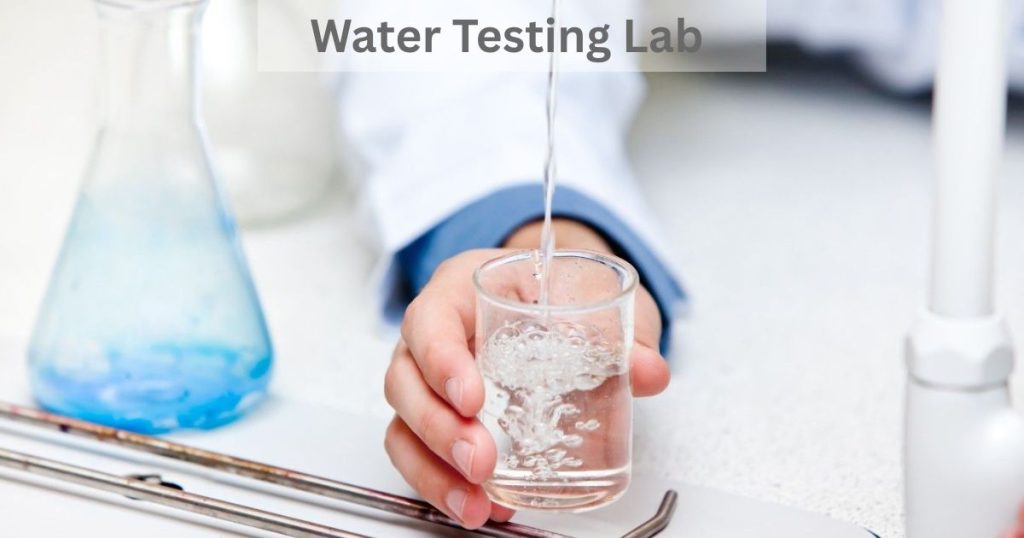
Water is one of the most essential resources for human health, industrial operations, and environmental sustainability. Whether it is used for drinking, cooking, manufacturing, agriculture, or recreational activities, the quality of water directly affects safety and well-being. Unfortunately, contaminants such as bacteria, heavy metals, chemicals, and dissolved impurities can compromise water quality without visible signs.
This is why professional water testing Lab has become increasingly important for homeowners, businesses, industries, hospitals, schools, residential societies, and government organizations. A reliable water testing lab in Noida helps identify contaminants, ensures regulatory compliance, and provides confidence that the water being used is safe and fit for its intended purpose.
In this guide, we will explore the importance of water testing, the different types of water analysis, and how a certified laboratory can help maintain water quality standards.
Why Water Testing Is Important
Many people assume that clear and odorless water is safe to use. However, water can contain harmful contaminants that are invisible to the naked eye.
Regular water testing lab helps detect:
- Bacterial contamination
- Heavy metals
- Excessive minerals
- Chemical pollutants
- Industrial contaminants
- Pesticide residues
- Salinity and hardness issues
Testing water at regular intervals allows property owners and facility managers to identify problems early and take corrective action before health risks develop.
For households, water testing ensures safe drinking water. For industries, it supports quality control and regulatory compliance. For commercial facilities such as hotels and swimming pools, testing helps maintain hygiene and public safety.
Choosing a NABL Water Testing Lab Near Me
When searching for a NABL water testing lab near me, accreditation should be one of the first factors you consider.
NABL (National Accreditation Board for Testing and Calibration Laboratories) accreditation demonstrates that a laboratory follows internationally recognized testing procedures and quality management systems.
Benefits of choosing a NABL-accredited laboratory include:
- Accurate and reliable test results
- Standardized testing methods
- Qualified technical experts
- Regulatory acceptance of reports
- Consistent quality assurance
A NABL-accredited laboratory provides confidence that testing is performed according to established scientific standards.
Why Choose a Govt-Approved Water Testing Lab Near Me?
Many organizations and regulatory authorities require reports from a Govt-approved water testing lab near me for compliance and certification purposes.
Government-approved laboratories follow strict testing protocols and maintain quality systems that meet industry requirements.
Such laboratories are commonly used for:
- Drinking water certification
- Industrial compliance
- Real estate projects
- Educational institutions
- Healthcare facilities
- Municipal water assessments
Reports from approved laboratories are often accepted by government agencies, contractors, and regulatory bodies.
Water Testing Lab in Noida: Meeting Diverse Testing Requirements
Noida has experienced rapid industrial, commercial, and residential growth over the past decade. This expansion has increased the demand for reliable water quality monitoring services.
A professional water testing lab in Noida offers testing solutions for:
Residential Water Testing
Homeowners frequently test:
- Borewell water
- Groundwater
- RO water
- Tank water
- Municipal water supply
Commercial Water Testing
Businesses often require testing for:
- Hotels
- Restaurants
- Hospitals
- Educational institutions
- Office complexes
Industrial Water Testing
Industries rely on testing to monitor:
- Process water
- Boiler water
- Cooling water
- Wastewater
- Effluent discharge
Comprehensive testing helps organizations maintain operational efficiency and environmental compliance.
Drinking Water Test: Protecting Human Health
A drinking water test is one of the most important water quality assessments. Contaminated drinking water can cause serious health issues, including gastrointestinal diseases, infections, and long-term exposure risks.
A standard drinking water test typically evaluates:
Physical Parameters
- Color
- Odor
- Taste
- Turbidity
Chemical Parameters
- pH
- Total Dissolved Solids (TDS)
- Hardness
- Chloride
- Sulphate
- Nitrate
Microbiological Parameters
- Total Coliform
- E. coli
- Bacterial contamination
Heavy Metal Analysis
- Lead
- Arsenic
- Mercury
- Cadmium
Regular drinking water testing ensures compliance with BIS (Bureau of Indian Standards) drinking water quality guidelines and helps protect public health.
Metals in Water Test: Detecting Hidden Contaminants
Heavy metals are among the most dangerous contaminants found in water supplies. They often enter water through industrial activities, corroded pipelines, mining operations, and environmental pollution.
A metals in water test helps identify harmful metal concentrations before they pose health risks.
Common metals analyzed include:
Lead (Pb)
Lead exposure may affect neurological development and overall health.
Arsenic (As)
Long-term arsenic exposure can increase the risk of serious health conditions.
Mercury (Hg)
Mercury contamination can impact the nervous system and internal organs.
Cadmium (Cd)
Cadmium exposure may affect kidney function and bone health.
Iron (Fe)
Excess iron can alter water taste and stain plumbing fixtures.
Advanced laboratory equipment such as ICP-OES and Atomic Absorption Spectroscopy enables accurate heavy metal detection even at very low concentrations.
Swimming Pool Water Test: Ensuring Hygiene and Safety
Swimming pools require regular monitoring to maintain safe water conditions and prevent the spread of waterborne illnesses.
A professional swimming pool water test evaluates critical parameters that affect swimmer safety and comfort.
Key testing parameters include:
- Free chlorine
- Total chlorine
- pH level
- Alkalinity
- Calcium hardness
- Cyanuric acid
- Microbial contamination
Poor pool water quality can lead to:
- Skin irritation
- Eye irritation
- Bacterial growth
- Algae formation
- Unpleasant odors
Hotels, clubs, sports facilities, schools, and residential communities should conduct routine swimming pool water testing to maintain proper hygiene standards.
Water Testing Lab Delhi/NCR: Supporting Regional Water Quality
The demand for professional testing services continues to grow throughout the Delhi NCR region. A trusted water testing lab Delhi/NCR serves clients across Noida, Greater Noida, Ghaziabad, Delhi, Faridabad, Gurugram, and surrounding areas.
Laboratories in the region provide:
- Drinking water testing
- Groundwater analysis
- Swimming pool water testing
- Industrial water testing
- Wastewater analysis
- Heavy metal testing
- Environmental monitoring
Access to reliable laboratory services helps organizations make informed decisions regarding water treatment, purification, and resource management.
How the Water Testing Process Works
Professional water testing follows a systematic process to ensure accuracy and reliability.
Step 1: Sample Collection
Water samples are collected using approved procedures to prevent contamination.
Step 2: Laboratory Analysis
Samples undergo physical, chemical, microbiological, and heavy metal testing depending on project requirements.
Step 3: Data Evaluation
Experts analyze results and compare them with applicable standards.
Step 4: Reporting
A detailed report is prepared highlighting water quality parameters and compliance status.
Step 5: Recommendations
If contamination is detected, recommendations for treatment and corrective action are provided.
Benefits of Regular Water Testing
Routine water testing offers numerous advantages:
✔ Ensures safe drinking water
✔ Identifies contamination early
✔ Supports regulatory compliance
✔ Protects public health
✔ Enhances industrial process efficiency
✔ Maintains swimming pool hygiene
✔ Prevents costly equipment damage
✔ Improves environmental management
Regular monitoring helps organizations and individuals maintain confidence in the quality of their water supply.
Conclusion
Water quality should never be taken for granted. Whether you are a homeowner, business owner, facility manager, or industrial operator, regular water testing is essential for ensuring safety, compliance, and peace of mind.
Choosing a certified water testing lab in Noida allows you to accurately assess water quality, detect contaminants, and implement effective treatment solutions when needed. Whether you need a drinking water test, swimming pool water test, or metals in water test, working with a trusted NABL water testing lab near me or Govt-approved water testing lab near me ensures reliable results and professional guidance.
As water quality challenges continue to evolve, proactive testing remains one of the most effective ways to protect human health, infrastructure, and the environment.
FAQs
1. Why should I get a drinking water test done?
A drinking water test helps identify bacteria, heavy metals, chemicals, and other contaminants that may affect health and water quality.
2. How often should swimming pool water be tested?
Swimming pool water should be tested regularly, especially in commercial and public pools, to maintain hygiene and safety standards.
3. What does a metals in water test check for?
The test detects heavy metals such as lead, arsenic, mercury, cadmium, iron, and other potentially harmful contaminants.
4. How do I find an NABL water testing lab near me?
Look for laboratories with NABL accreditation, experienced professionals, advanced testing equipment, and recognized quality certifications.
5. Why choose a water testing lab in Noida?
A professional water testing lab in Noida provides accurate analysis, fast reporting, regulatory compliance support, and expert recommendations for improving water quality.