
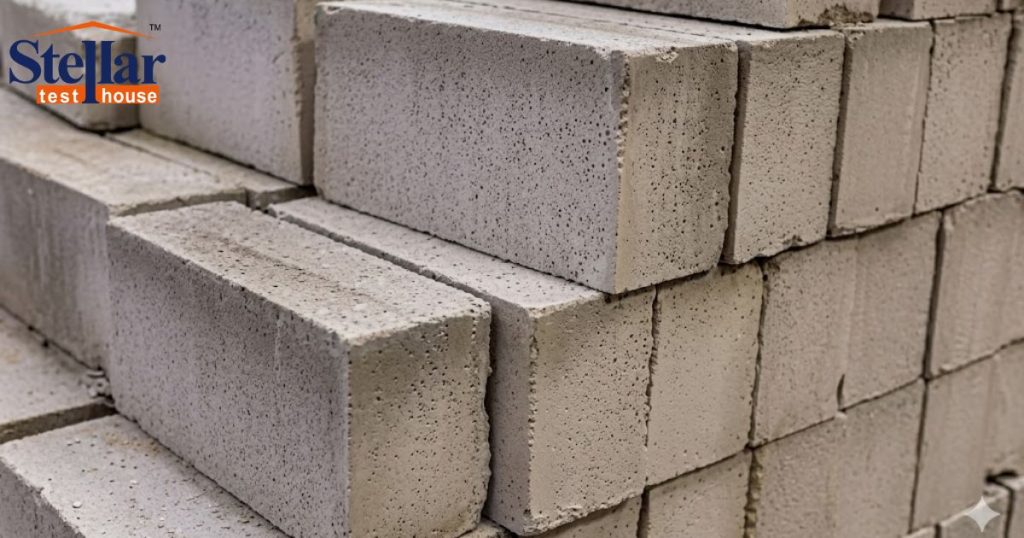
Calcium silicate bricks have become a reliable choice in modern construction due to their strength, durability, and uniform quality. In India, these bricks are manufactured and tested according to Calcium Silicate Bricks IS: 4139-1989, which defines the standard requirements for quality, performance, and testing.
If you are a builder, contractor, or developer, understanding this IS code can help you ensure better construction quality and long-term performance.
What are Calcium Silicate Bricks?
Calcium silicate bricks are made using a mixture of sand (silica), lime, and water, which is then molded and hardened under high-pressure steam. This process creates bricks with a smooth finish and consistent strength.
These bricks are widely used as an alternative to traditional clay bricks because they offer better dimensional accuracy and durability.
Overview of IS 4139-1989
The standard Calcium Silicate Bricks IS: 4139-1989 provides guidelines for:
- Raw materials used in manufacturing
- Physical and mechanical properties
- Compressive strength requirements
- Water absorption limits
- Testing procedures
To maintain quality, bricks must be tested in a certified IS 4139 testing lab before being approved for construction use.
Key Properties of Calcium Silicate Bricks
1. High Compressive Strength
These bricks are known for their strength, making them suitable for load-bearing structures. The compressive strength is tested as per IS standards, and results are verified in an IS 4139 lab.
2. Low Water Absorption
Water absorption plays a critical role in durability. According to IS 4139-1989, the absorption level must remain within specified limits to prevent structural damage.
3. Uniform Shape and Size
Calcium silicate bricks are machine-made, so they have consistent dimensions. This reduces mortar usage and improves construction speed.
4. Smooth Finish
The smooth surface reduces plastering costs and enhances the aesthetic appeal of walls.
5. Durability
These bricks resist weathering and maintain strength over time. Their performance is often tested in a Calcium Silicate Bricks Testing Laboratory to ensure compliance.
Common Uses of Calcium Silicate Bricks
Calcium silicate bricks are widely used in:
- Residential buildings
- Commercial construction
- Load-bearing walls
- Partition walls
- Industrial structures
Builders prefer these bricks because they offer long-term reliability and cost efficiency.
Testing Methods as per IS 4139-1989
Testing is essential to verify the quality of bricks before use. Most tests are conducted in a Calcium Silicate Bricks Testing Lab or certified Material Testing Lab Noida.
1. Compressive Strength Test
This test determines the load a brick can withstand before failure. The brick is placed in a compression testing machine, and pressure is applied until it breaks. The result must meet IS standards.
2. Water Absorption Test
Bricks are immersed in water for 24 hours, and the increase in weight is measured. The percentage of water absorption should fall within permissible limits.
3. Dimension and Shape Test
Bricks are measured for uniformity. Any deviation from standard size can affect construction quality.
4. Efflorescence Test
This test checks the presence of soluble salts that can cause white patches on walls. It is ensured that the effect remains minimal.
5. Visual Inspection
Bricks are examined for cracks, chips, or defects. Only bricks meeting quality standards are approved.
All these tests are performed in a certified IS 4139 Brick Testing Lab to ensure accuracy and reliability.
Importance of Testing in a Certified Lab
Choosing a professional testing facility is critical. A reliable Brick Testing Lab in Noida ensures that all tests are conducted using calibrated equipment and standard procedures.
Many samples are tested under controlled conditions to ensure consistent results. Reports are then issued, which help builders make informed decisions.
A certified Brick Testing Laboratory Noida also ensures compliance with government regulations and construction safety standards.
Why Choose a Testing Lab in Noida?
If your project is located in NCR, selecting a Calcium Silicate Brick Lab Noida offers several advantages:
- Quick sample testing and reporting
- Easy coordination with construction sites
- Access to advanced testing equipment
- Compliance with IS standards
A professional Material Testing Lab Noida can help maintain quality across all stages of construction.
Benefits of Using Tested Calcium Silicate Bricks
When bricks are tested in an IS 4139 testing lab, you gain:
- Assured quality and strength
- Reduced risk of structural failure
- Long-lasting construction
- Better project credibility
In many projects, testing is considered a mandatory step before material approval.
Conclusion
Calcium silicate bricks, when manufactured and tested according to Calcium Silicate Bricks IS: 4139-1989, offer excellent performance in modern construction. Their strength, durability, and uniformity make them a preferred choice for builders.
However, quality should never be assumed—it must be verified. By choosing a certified Calcium Silicate Bricks Testing Laboratory or Brick Testing Lab in Noida, you ensure that every brick used in your project meets the required standards.
If you are looking for reliable testing services, working with a trusted IS 4139 lab or Material Testing Lab Noida can make a significant difference in the quality and safety of your construction.