
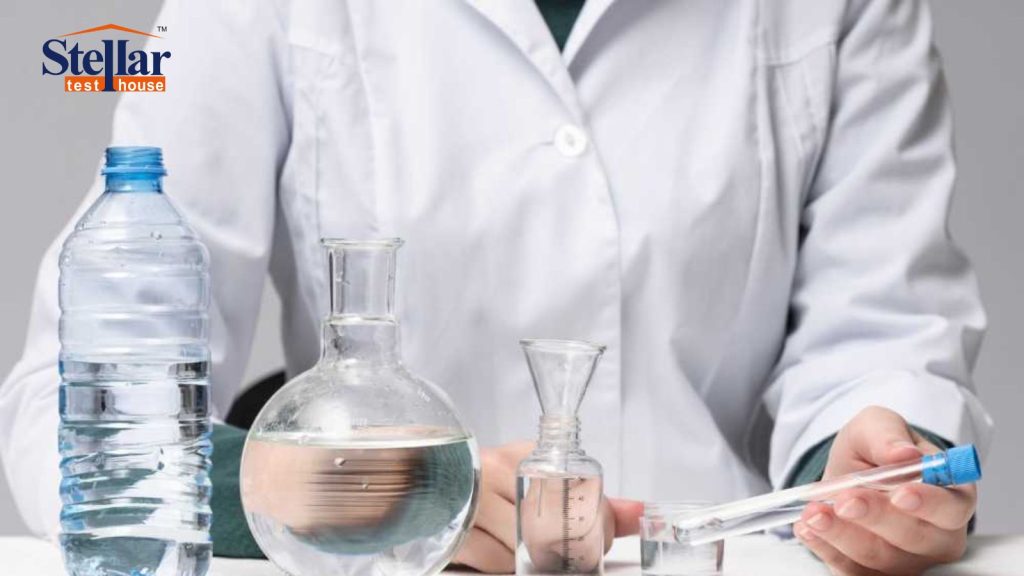
Water is one of the most vital resources for life, health, and industry. In a rapidly developing region like Noida and Delhi NCR, maintaining the quality of water is becoming increasingly important. From residential areas to large-scale industries, everyone depends on clean and safe water. This is where a Water Testing Laboratory in Noida and Delhi NCR plays a crucial role — helping people and industries ensure that their water meets the required standards.
Why Water Testing is Important
Water quality directly affects human health, industrial processes, and environmental sustainability. Contaminated or impure water can cause several issues — from diseases in humans to machinery damage in industries. Regular water testing helps detect impurities, chemical imbalances, and harmful contaminants, ensuring that the water is safe and fit for its intended use.
A reliable Water Testing Lab helps determine whether the water is suitable for drinking, construction, industrial, or agricultural purposes. It provides accurate reports based on CPCB (Central Pollution Control Board) and BIS (Bureau of Indian Standards) guidelines.
Comprehensive Water Testing Services
A certified Water Testing Laboratory in Noida and Delhi NCR provides a wide range of water analysis services to meet different needs. Let’s look at the types of water tested and why each is important.
1. Construction Water
In construction, the quality of water directly impacts the strength and durability of concrete. Impure Construction Water with high salinity or chemical content can weaken structures and cause long-term damage. Testing ensures that the water used for mixing concrete and curing meets IS standards, preventing cracks and corrosion in the building structure.
2. Drinking Water
Safe Drinking Water is a basic human need. However, due to urbanization, industrial discharge, and pollution, water sources are often contaminated with bacteria, heavy metals, and harmful chemicals. A Water Testing Lab checks for parameters like pH, TDS, hardness, fluoride, nitrate, iron, and microbial contamination to ensure water safety as per BIS 10500 standards. Testing your home or society’s water supply can prevent serious health issues and improve the quality of life.
3. Feed Water
Industries that operate boilers, cooling towers, or water treatment systems need to maintain specific water quality standards. Feed Water testing ensures that water entering boilers or industrial systems is free from impurities that could cause scaling, corrosion, or inefficiency. This helps extend equipment life and reduce operational costs.
4. Boiler Water
The performance and longevity of boilers depend on the purity of Boiler Water. Testing ensures that dissolved solids, silica, and oxygen levels are within safe limits. Regular monitoring prevents scale formation and corrosion, which can lead to expensive repairs or downtime in industrial operations.
5. Natural Mineral Water
With the rising demand for bottled and mineral water, it’s vital to ensure purity and mineral balance. Testing Natural Mineral Water involves analyzing physical, chemical, and microbiological properties to confirm compliance with FSSAI and BIS regulations. Laboratories also verify the presence of essential minerals like calcium, magnesium, and potassium, ensuring safety and authenticity for consumers.
6. Packaged Drinking Water
Brands producing Packaged Drinking Water must comply with strict standards to ensure purity and taste. Testing checks for harmful bacteria, heavy metals, and other contaminants. Quality assurance through a Water Testing Lab helps manufacturers maintain credibility and customer trust, while also meeting legal requirements.
7. Swimming Pool Water
Public and private pools require constant monitoring of Swimming Pool Water to prevent the spread of infections and skin irritations. Parameters like pH, chlorine, turbidity, and bacterial contamination are tested regularly. Maintaining balanced pool water not only keeps swimmers safe but also extends the life of pool equipment.
8. Water for Ice Manufacturer
Companies producing ice for consumption must ensure that their Water for Ice Manufacturer process uses hygienic and tested water. Contaminated ice can easily transmit bacteria and viruses. Testing confirms that the water used in ice production is potable and free from harmful substances.
9. Water for Processed Food Industry
The Water for Processed Food Industry must meet strict quality norms because it directly affects the taste, texture, and safety of food products. Testing ensures that the water used in food manufacturing, washing, or as an ingredient is microbiologically safe and chemically balanced.
10. Water for Paper and Pulp Industry
The Water for Paper and Pulp Industry plays a major role in pulp processing and paper formation. Poor-quality water can damage machinery and affect product quality. Testing ensures that the water is free from hardness and unwanted ions that may interfere with the papermaking process.
11. Water for Textile Industry
In textile production, Water for Textile Industry quality affects dyeing, finishing, and fabric quality. Contaminated or hard water can lead to uneven colors and weak fabric. Testing ensures consistency and helps manufacturers meet environmental discharge norms as well.
12. Horticulture Water (CPCB)
Plants are sensitive to the quality of water used for irrigation. Horticulture Water CPCB testing evaluates salinity, pH, sodium absorption ratio, and heavy metal content. Good-quality irrigation water helps improve crop yield and maintains soil health, as recommended by the Central Pollution Control Board.
13. Raw Water / Industry Water
Every industrial process begins with Raw Water / Industry Water. This water may come from borewells, rivers, or municipal supplies and needs to be tested before use. A Water Testing Laboratory in Noida and Delhi NCR analyzes it for impurities and helps industries design proper treatment systems to achieve the required quality standards.
Parameters Tested in a Water Testing Lab
A professional laboratory conducts a wide range of tests, including:
- Physical Tests: pH, color, odor, turbidity, and total dissolved solids (TDS).
- Chemical Tests: Hardness, alkalinity, chloride, sulfate, fluoride, nitrate, and heavy metals (like lead, arsenic, mercury).
- Microbiological Tests: Total coliform, E. coli, and other bacteria.
Each of these parameters provides essential information about the suitability of water for a specific purpose.
Benefits of Choosing a Certified Water Testing Laboratory
- Accurate and Reliable Results: Certified labs use advanced instruments and methods approved by BIS, CPCB, and ISO.
- Customized Testing Packages: Whether for households or industries, you can get testing based on your specific requirements.
- Quick Turnaround Time: Fast and efficient testing services with digital reports.
- Expert Consultation: Guidance on interpreting results and improving water quality.
- Regulatory Compliance: Helps industries meet government and environmental standards.
Why Choose a Local Lab in Noida and Delhi NCR
Choosing a Water Testing Laboratory in Noida and Delhi NCR provides several advantages. Local labs are familiar with the regional water sources, pollution patterns, and industrial needs. They offer convenient sample collection, affordable pricing, and faster reporting — making them ideal partners for both residents and businesses in the area.
Moreover, the labs in this region often hold NABL accreditation, ensuring international-level quality and precision in their results.
Final Thoughts
Whether it’s Drinking Water, Construction Water, Feed Water, Boiler Water, or even Water for the Processed Food Industry, testing is not a luxury — it’s a necessity. Regular water testing ensures safety, compliance, and efficiency across all sectors.
If you’re located in Noida or Delhi NCR, partnering with a trusted Water Testing Lab is the best way to protect health, enhance product quality, and promote sustainability. After all, clean and tested water is the foundation of a healthy life and a successful business.