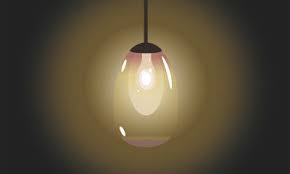
In the world of solid-state lighting (SSL), accurate measurement of performance is essential to ensure product quality, energy efficiency, and consumer trust. Photometry, the science of measuring visible light, plays a crucial role in evaluating LED lamps and luminaires. Among the most important standards for such measurements is IES LM-79, which defines how to test and report the performance of solid-state lighting products.
What is Photometry?
Photometry refers to the measurement of light perceived by the human eye. It quantifies parameters such as:
- Luminous flux (lumens) – total visible light output
- Luminous efficacy (lm/W) – efficiency of light conversion
- Luminous intensity (cd) – concentration of light in a direction
- Chromaticity and CCT (Correlated Color Temperature)
- CRI (Color Rendering Index)
In LED testing, photometry ensures that lighting products meet both energy efficiency and visual comfort requirements.
Solid-State Lighting Products and LM-79 Standard
The LM-79 standard, developed by the Illuminating Engineering Society (IES), defines the procedures for electrical and photometric measurements of solid-state lighting (SSL) products, including:
- LED lamps
- LED luminaires
- Integrated LED systems
LM-79 testing provides accurate, reproducible data for comparing the performance of different LED lighting products under standardized conditions.
Key LM-79 Test Parameters:
- Total Luminous Flux (Lumens) – Measures total light output.
- Luminous Efficacy (Lumens/Watt) – Indicates energy efficiency.
- Chromaticity Coordinates and CCT – Defines color characteristics.
- Color Rendering Index (CRI) – Evaluates color accuracy.
- Electrical Power (Watts) – Determines energy consumption.
All these tests are conducted using integrating spheres and goniophotometers under controlled thermal and electrical conditions.
Self-ballasted LED Lamps for General Lighting
Self-ballasted LED lamps are integrated units that include both the LED light source and the control electronics (driver) within the same housing. They are designed as direct replacements for conventional incandescent or CFL lamps.
Key Features:
- Integrated driver circuitry for easy installation
- High luminous efficacy and long lifespan
- Available in multiple color temperatures
- Compatible with standard lamp holders
For these lamps, LM-79 testing ensures consistent performance, accurate lumen output, and color stability — critical for general lighting applications in homes, offices, and industries.
LED Luminaires – Performance Test
LED luminaires are complete lighting fixtures where LEDs are permanently integrated. LM-79 testing of LED luminaires evaluates their total system performance, including optical, electrical, and thermal characteristics.
Performance Evaluation Includes:
- Light distribution (photometric intensity pattern)
- System efficacy (lumens per watt)
- Color uniformity and stability
- Input power and efficiency
Such performance tests are vital for product certification, quality assurance, and compliance with energy labeling programs like ENERGY STAR.
Why LM-79 Testing Matters
LM-79 reports are often required by:
- Government energy efficiency programs
- Lighting specifiers and designers
- Procurement agencies and consumers
It provides verified, independent laboratory results that ensure transparency and comparability among LED lighting products.
Conclusion
Accurate photometric testing under LM-79 standards is essential for the credibility of solid-state lighting products. Whether for self-ballasted LED lamps or LED luminaires, LM-79 ensures reliable data on light output, color quality, and energy efficiency. This helps manufacturers improve quality, regulators enforce standards, and consumers make informed choices in the rapidly evolving world of LED lighting technology.