Lighting has evolved far beyond its basic purpose of illumination. Today’s modern lamp luminaire & accessories are designed not only to brighten spaces but also to enhance aesthetics, energy efficiency, and performance. Whether it’s for residential, industrial, or street lighting, every product—from fixed general-purpose luminaries to recessed luminaries—undergoes strict quality assurance. That’s why the role of a certified LAMP LUMINAIRE & ACCESSORIES Testing Lab is essential in ensuring durability, safety, and compliance with international standards.
1. Understanding Lamp Luminaire & Accessories
A lamp luminaire is a complete lighting unit consisting of the lamp (light source), holder, reflector, and housing. Together, they determine how efficiently light is emitted and distributed. Modern lamp luminaire & accessories combine functionality with design, offering solutions for various environments like homes, offices, streets, and factories.
To ensure performance and safety, every product goes through specialized testing at a LAMP LUMINAIRE & ACCESSORIES Testing Lab. These labs assess photometric performance, thermal management, ingress protection (IP rating), and mechanical safety. Reliable testing ensures that lighting products meet both energy efficiency and quality standards.
2. Fixed General-Purpose Luminaries: The Workhorses of Lighting
Fixed General-Purpose Luminaries are among the most commonly used lighting systems. Found in offices, commercial buildings, and public spaces, they offer steady illumination for long durations.
At a Fixed General-Purpose Luminaries Testing Lab, experts check parameters such as:
- Luminous flux and intensity distribution
- Color rendering index (CRI)
- Thermal endurance
- Electrical safety and insulation resistance
Modern designs integrate LED modules and advanced optics, making them more energy-efficient than older models. Testing ensures that these luminaires maintain consistent brightness and reliability over years of usage.
3. Recessed Luminaries: Blending Light with Architecture
Recessed Luminaries are ideal for modern interiors where aesthetics matter. These fixtures are installed into ceilings or walls, providing soft, glare-free illumination.
A certified Recessed Luminaries Testing Lab evaluates:
- Glare control and uniformity
- Fixture heating performance
- Electrical insulation and grounding
- Structural integrity
Testing in these labs ensures that recessed lighting delivers both visual comfort and energy savings. With growing demand in smart homes and commercial design, quality-tested recessed luminaires have become the standard choice for architects and designers.
4. Flood Lights: Power and Precision in Illumination
Flood lights are designed for outdoor environments—stadiums, warehouses, and building facades. These lights provide high-intensity illumination and wide beam coverage. However, outdoor exposure means they must withstand harsh weather and fluctuating power conditions.
A Flood Light Testing Lab conducts rigorous tests for:
- Luminous efficacy and beam angle performance
- Water and dust resistance (IP65/IP67 tests)
- Surge protection and safety against voltage fluctuations
- Thermal stability for long operational hours
Modern LED flood lights, tested in reliable facilities, combine brightness with long life and low maintenance—making them a key part of energy-efficient outdoor lighting solutions.
5. Road and Street Lighting: Safety Meets Sustainability
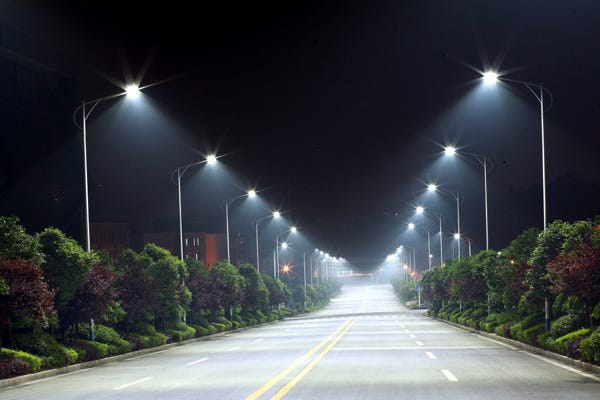
Well-designed road and street lighting ensures pedestrian safety, vehicle visibility, and urban appeal. Cities worldwide are shifting from traditional sodium lamps to smart LED street lights for better performance and energy savings.
At a Road and Street Lighting Testing Lab, experts analyze:
- Uniformity of illumination on roads
- Glare reduction and beam control
- Luminaire durability under extreme weather
- Compatibility with smart control systems
Testing guarantees that every streetlight meets safety norms, helping cities create safer and more sustainable nighttime environments.
6. LED Bulbs: The Core of Modern Lighting
The rise of LED bulbs has revolutionized the lighting industry. They are eco-friendly, consume less energy, and have a longer lifespan compared to incandescent or CFL bulbs.
A LED Bulb Testing Lab ensures product reliability through:
- Photometric and electrical testing
- Flicker analysis and light quality
- Thermal management efficiency
- Life-cycle performance assessment
By testing LED bulbs thoroughly, manufacturers can guarantee products that provide stable brightness, accurate color temperature, and energy savings — all critical factors for consumer trust.
7. D.C. or A.C Lamp Control Gear: The Brain Behind the Light
Every efficient lighting system relies on lamp control gear—the electronic component that regulates current and voltage. Both D.C. and A.C Lamp Control Gear play a vital role in optimizing the performance of luminaires, preventing flickering, and extending lamp life.
A D.C. or A.C Lamp Control Gear Testing Lab checks:
- Output voltage and current regulation
- Efficiency under varying loads
- Compatibility with LED drivers and ballasts
- Safety against electrical surges and overheating
Testing ensures these gears meet international standards (such as IEC and BIS), guaranteeing smooth performance for all types of luminaires.
8. The Importance of Accredited Testing Labs
Across all lighting categories—from LAMP LUMINAIRE & ACCESSORIES Testing Lab to Road and Street Lighting Testing Lab—the main objective is quality assurance. Accredited labs follow strict global standards like IEC, IS, and EN certifications to ensure safety, efficiency, and durability.
When manufacturers test their products in certified facilities such as Fixed General-Purpose Luminaries Testing Lab, Flood Light Testing Lab, or LED Bulb Testing Lab, it builds customer confidence and enables global market compliance.
9. The Future of Lighting: Smarter, Safer, and Sustainable
The lighting industry is moving towards smart and connected luminaires, integrating IoT-based control systems, motion sensors, and solar-powered options. In this evolving landscape, testing labs play a crucial role in verifying performance and safety.
From Recessed Luminaries Testing Lab to D.C. or A.C Lamp Control Gear Testing Lab, quality testing ensures that products are future-ready—delivering reliability, efficiency, and sustainability.
Conclusion
The world of lighting continues to evolve with innovations in lamp luminaire & accessories. But behind every bright, efficient, and safe lighting solution lies a rigorous testing process. Certified labs like LAMP LUMINAIRE & ACCESSORIES Testing Lab, Fixed General-Purpose Luminaries Testing Lab, Flood Light Testing Lab, Road and Street Lighting Testing Lab, LED Bulb Testing Lab, and D.C. or A.C Lamp Control Gear Testing Lab ensure that products meet the highest standards of performance and safety.
Whether you’re a manufacturer, designer, or end-user, understanding the importance of testing is key to achieving safe, sustainable, and smart lighting solutions for the future.
Frequently Asked Questions (FAQ)
1. What are Lamp Luminaire & Accessories and why are they essential in lighting design?
LAMP LUMINAIRE & ACCESSORIES include the complete lighting unit—lamp, holder, reflector, and housing—that defines how light is distributed and controlled. High-quality LAMP LUMINAIRE & ACCESSORIES ensure durability, energy efficiency, and visual comfort. Whether used in homes, offices, or streets, these accessories play a vital role in achieving safe and efficient illumination.
2. What is the difference between Fixed General-Purpose Luminaries and Recessed Luminaries?
Fixed General-Purpose Luminaries are surface-mounted lighting systems used in offices, factories, and public areas where consistent lighting is needed. Recessed Luminaries, on the other hand, are installed inside ceilings or walls for a clean, modern look. Both types of luminaires undergo quality testing to ensure safety, performance, and energy efficiency, making them popular choices in modern lighting design.
3. How are Flood Lights and Road and Street Lighting used in outdoor environments?
Flood Lights provide broad, powerful illumination for large areas like stadiums, parking lots, and industrial zones. Road and Street Lighting focuses on safety and visibility for drivers and pedestrians. Both lighting types are now predominantly LED-based, offering better efficiency and longer life. Proper testing ensures that Flood Lights and Road and Street Lighting withstand outdoor conditions while delivering consistent brightness.
4. Why are LED Bulbs the preferred choice for modern lighting?
LED Bulbs have transformed the lighting industry with their energy efficiency, long lifespan, and eco-friendly operation. Compared to traditional bulbs, LED Bulbs consume up to 80% less electricity while maintaining superior brightness and color accuracy. They are used in everything from Fixed General-Purpose Luminaries to Recessed Luminaries and Flood Lights, making them the backbone of sustainable lighting solutions.
5. What is D.C. or A.C Lamp Control Gear and how does it affect lighting performance?
D.C. or A.C Lamp Control Gear regulates voltage and current in lighting systems, ensuring stable operation and preventing flicker or power surges. It is essential in LED Bulbs, Flood Lights, and Road and Street Lighting systems. High-quality D.C. or A.C Lamp Control Gear enhances energy efficiency, extends lamp life, and ensures smooth performance across all lighting applications.