
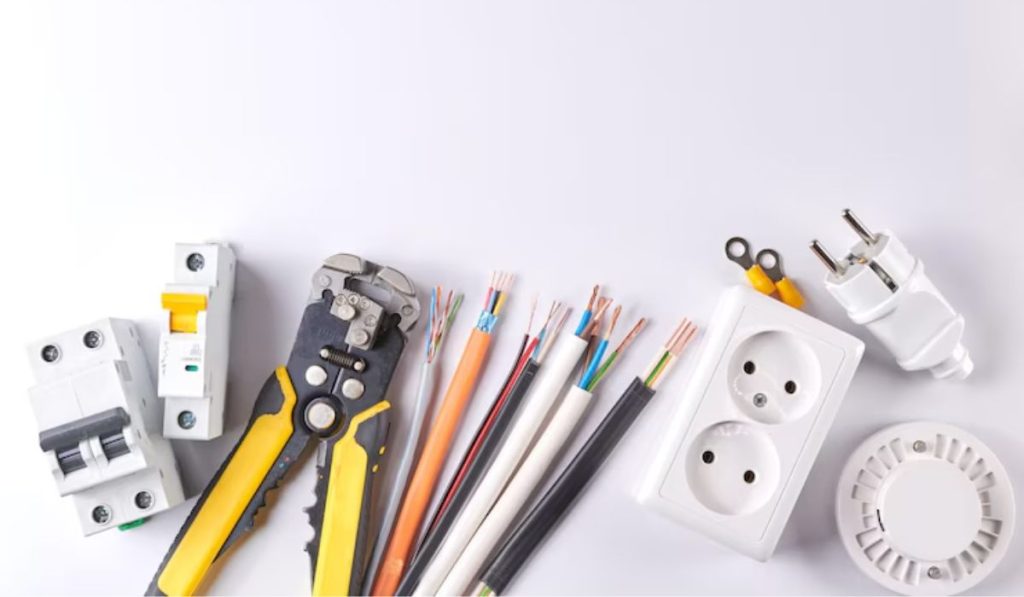
Electrical safety starts with the right electrical wiring accessories. Whether you are building a new home or renovating an existing one, using high-quality accessories ensures safety, durability, and proper functionality of your electrical system. This guide explains the key components used in home wiring — from switches and sockets to conduits, boxes, and cable management systems — in simple, easy-to-understand language.
Why Electrical Wiring Accessories Matter
Electrical wiring accessories are not just small components; they are the foundation of your home’s entire electrical network. The right products help:
- Prevent short circuits and electric shocks
- Keep the system organized and easy to maintain
- Improve energy efficiency
- Enhance the overall appearance of your home interiors
Using certified and high-quality products that comply with safety standards (like IS or IEC) can save you from future maintenance problems and hazards.
Boxes and Enclosures for Electrical Accessories
Boxes and Enclosures for Electrical Accessories for Household and Similar Fixed Electrical Installation are essential for housing switches, sockets, and joints safely. These boxes protect live wires from contact, prevent fire risks, and help in neat wiring layouts.
Types of Boxes:
- PVC Boxes: Lightweight and easy to install, ideal for concealed wiring.
- Metal Boxes: Strong and durable, mostly used in industrial or exposed wiring setups.
- Surface Boxes: Used when wall embedding is not possible.
When choosing a box, make sure it is made from heat-resistant and non-conductive materials to ensure long-term safety.
2. Switch Socket Outlets for Domestic Use
Switches and sockets are among the most visible electrical accessories in any home. Switch Socket Outlets (Interlocking & Non-Interlock type) are designed for safe control and connection of electrical appliances.
- Interlocking type: The plug cannot be removed unless the switch is turned off. These are ideal for heavy appliances like washing machines or air conditioners.
- Non-interlock type: Commonly used for general household devices like lamps or fans.
For domestic setups, use Plugs and Socket-Outlets for Household and Similar Purposes of Rated Voltage up to and Including 250 V and Rated Current up to and Including 16 Amp. These are standard ratings for most household electrical points.
Always buy switches and sockets that meet BIS standards and have proper earthing provisions. Loose or poor-quality sockets are a major cause of overheating and short circuits.
Switches for Domestic and Similar Purposes
Switches for Domestic Purposes come in various designs and functions — from simple one-way switches to modular, touch, or smart switches.
While selecting, consider:
- Current rating: Typically 6A or 16A for home use.
- Design & durability: Modular switches are safer and more stylish.
- Insulation: Ensure the back plate and housing are made from high-quality insulating material to avoid leakage current.
Smart homes today use Wi-Fi-enabled switches for remote operation and energy efficiency. However, even basic mechanical switches, if of good quality, can last years without failure.
Conduits for Electrical Wiring Installation
Conduits are the protective pathways that carry and protect electrical wires inside walls, floors, or ceilings. They prevent wires from damage caused by heat, moisture, or rodents.
Types of Conduits:
- Rigid Steel Conduits (RSC):
Best suited for outdoor or exposed installations where mechanical strength is essential. They are durable and protect wires from physical damage. - Fittings for Rigid Non-Metallic Conduits:
Used with PVC or plastic conduits. These fittings join conduit sections and allow smooth bends or connections, maintaining safety and cable integrity. - Rigid Plain Conduits of Insulating Materials:
These are lightweight and corrosion-resistant, ideal for concealed home wiring. They are non-conductive and prevent electrical leakage, making them popular for domestic installations.
Always ensure that conduit joints are tight, moisture-free, and installed with proper fittings to maintain safety and system reliability.
Cable Management Systems
Managing cables properly is crucial for both safety and appearance. Cable Management systems, such as Cable Tray Systems and Cable Ladder Systems, are designed to organize and support electrical cables in buildings or industrial setups.
Types:
- Cable Tray Systems: Used in commercial or industrial buildings to route large volumes of cables neatly.
- Cable Ladder Systems: Best for heavy-duty environments like factories or data centers.
In residential projects, though full tray systems are not always used, small-scale cable channels or trunking solutions help maintain neatness, especially for visible wiring setups.
Pressure Sensitive Adhesive Tapes for Electrical Purposes
Every electrician uses insulation tapes — but not all tapes are equal. Pressure Sensitive Adhesive Tapes for Electrical Purposes are used to insulate, bind, and protect wire joints.
Good-quality electrical tapes should:
- Have high dielectric strength (to resist current flow)
- Be flame-retardant and moisture-resistant
- Maintain adhesion even under heat or load
Avoid cheap tapes that lose grip quickly; they may expose live wires and increase the risk of short circuits or shock.
Choosing the Right Accessories — Key Tips
When selecting electrical wiring accessories, keep these safety and quality factors in mind:
- ✅ Material Quality: Use flame-retardant plastic or corrosion-resistant metal accessories.
- ✅ Brand & Certification: Choose ISI or IEC-certified brands.
- ✅ Proper Ratings: Match the voltage/current ratings to your appliance requirements.
- ✅ Professional Installation: Always hire a certified electrician for wiring and fitting.
- ✅ Regular Maintenance: Inspect switchboards, sockets, and junction boxes periodically.
Modern Trends in Electrical Accessories
Home electrical systems have evolved from simple switches to smart automation. Today’s Electrical Wiring Accessories are designed not only for safety but also for comfort and efficiency. Some examples include:
- Smart sockets and switches with voice control
- Modular boards for a clean and flexible layout
- Pre-wired boxes and plug-and-play fittings for faster installations
These modern systems ensure minimal wiring errors, improved aesthetics, and better user convenience.
Conclusion
A safe and efficient home electrical system depends on the quality of your electrical wiring accessories. From boxes and enclosures to switches, sockets, conduits, and adhesive tapes, every component plays an important role in keeping your home safe from electrical faults.
When planning your installation:
- Always choose certified accessories
- Follow standard wiring practices
- Ensure proper cable management
- Invest in quality — not just affordability
By using the right combination of switches for domestic purposes, switch socket outlets, rigid conduits, and pressure-sensitive tapes, you create a safe, long-lasting, and reliable electrical setup that protects your home and family.