
HDPE Pipe (IS:4984-2016) Testing Services
1. Impermeability / Leak Testing of HDPE Pipes
The purpose of leak testing is to identify any defects, weaknesses, or unacceptable leakage in an HDPE piping system before it is commissioned. Leakage issues in polyethylene pipelines can eventually lead to operational failures, water loss, or pipe rupture if not detected at an early stage.
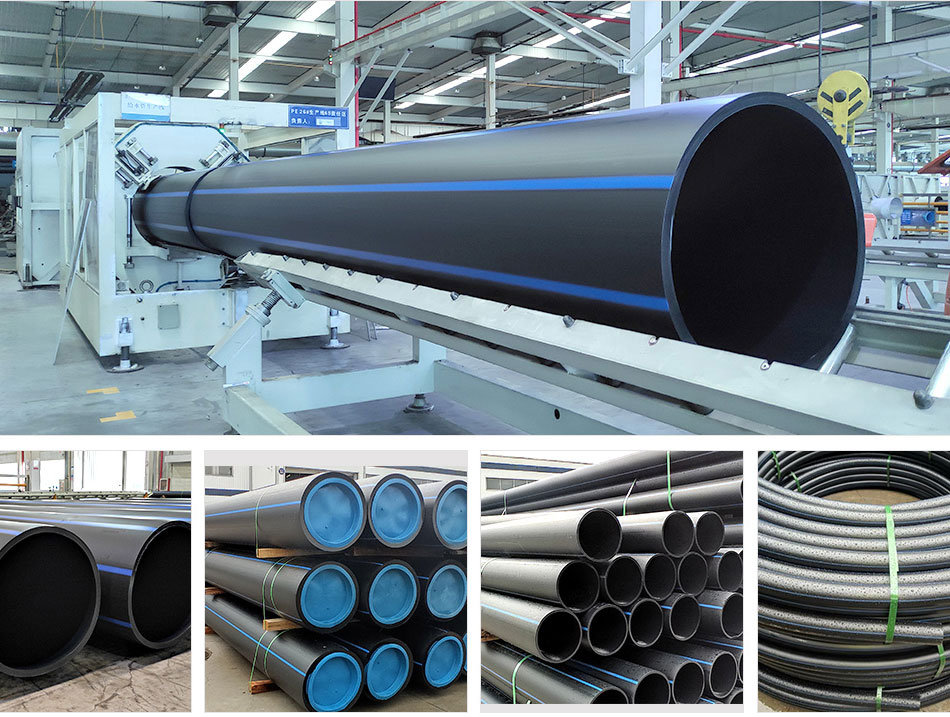
Leak testing of HDPE Pipes (IS:4984-2016) can be performed using different methods as specified in project requirements, contract specifications, or applicable standards. Internal pressure testing is commonly carried out by filling the test section with a suitable non-flammable liquid or gas and applying the required pressure.
Among all testing methods, hydrostatic pressure testing with water is the most widely recommended and preferred procedure. Additional testing methods may include individual joint testing, pressure plug testing, sectional testing, or initial service testing.
All pipe joints and connections should remain accessible during testing to allow inspection for any controlled leakage. Water is generally preferred as the testing medium because it stores significantly less energy compared to compressed gas. In the event of a sudden failure, the risk associated with hydrostatic testing is considerably lower.
When compressed gas is used as the test medium, energy is stored within the gas during pressurization. If a catastrophic failure occurs, both the pipe stress energy and the compressed gas energy are released suddenly. In contrast, water is an incompressible fluid, making hydrostatic testing a safer and more reliable option for HDPE pipelines.
2. Pressure Testing of HDPE Pipes
Before conducting pressure testing, the HDPE piping system must be properly inspected and secured against movement. Adequate restraints should be provided to prevent sudden displacement in the event of an uncontrolled failure.
Expansion joints should be temporarily restrained, isolated, or removed before testing. The size of the test section should be determined based on the capacity of the testing equipment. If the pressurization equipment is undersized, completing the test within the specified limits may not be possible.
For HDPE Pipes conforming to IS:4984-2016, testing is generally recommended at temperatures below 38°C (100°F). When testing at higher temperatures becomes necessary, the allowable test pressure should be adjusted accordingly. Sufficient time should also be provided for the test medium and the pipeline to achieve temperature equilibrium before testing begins.
Test pressure must be controlled using suitable pumps, valves, gauges, and monitoring devices. Components with lower pressure ratings may not withstand the specified test pressure and should be isolated or removed from the test section to prevent damage. Any isolated equipment should be properly vented before testing.
3. HDPE Pipe Hydrostatic Testing
Hydrostatic testing is the most commonly used method for evaluating the integrity of HDPE water pipelines. During this procedure, the test section is completely filled with water while ensuring that all trapped air is removed from the system.
Air pockets can affect test accuracy and create safety concerns. Therefore, venting arrangements should be provided at the highest points of the pipeline. Air can be released through dedicated vent valves, loosened flanges, or other approved venting devices.
Once all trapped air has been removed, loosened connections should be securely tightened before applying the specified test pressure. The system is then gradually pressurized and monitored for pressure loss, leakage, or structural defects.
Hydrostatic testing helps verify the strength, leak-tightness, and overall performance of HDPE Pipes (IS:4984-2016) under operating conditions.
4. HDPE Pipe Pneumatic Testing
Pneumatic testing should only be conducted when hydrostatic testing is impractical or when specifically permitted by the relevant standard, specification, or project requirement.
The testing medium must be non-flammable, non-toxic, and safe for the intended application. Test pressure for non-isolated components should never exceed the maximum allowable pressure rating of the HDPE piping system.
Leak detection during pneumatic testing is typically performed using a mild soap solution or other approved non-destructive leak detection fluids. The appearance of bubbles indicates leakage at joints, fittings, or connections.
After completion of the test, all soap solutions and leak detection fluids should be thoroughly washed away using clean water to prevent contamination or residue buildup.
Because compressed gas stores significant energy, pneumatic testing requires additional safety precautions and strict monitoring throughout the test procedure.
5. Polyethylene Pipe Initial Service Testing
Initial service testing is used when conventional hydrostatic or pneumatic testing methods are not practical or when system conditions make alternative testing necessary.
This method verifies the leak-tightness and performance of the HDPE piping system under actual operating conditions. It is particularly useful for insulated pipelines, temporarily covered systems, or installations where complete pressure testing cannot be performed before commissioning.
Initial service testing also provides an opportunity to inspect pumps, valves, control equipment, and other system components while the pipeline is operating under normal service conditions. Any leakage, pressure fluctuations, or performance issues can be identified and corrected before full-scale operation begins.
For HDPE Pipes manufactured as per IS:4984-2016, initial service testing serves as an effective final verification step to ensure long-term reliability, safety, and operational efficiency.
Why Choose HDPE Pipe Testing as per IS:4984-2016?
- Verification of pipe strength and integrity
- Detection of leaks before commissioning
- Improved operational safety
- Compliance with IS:4984-2016 requirements
- Reduced maintenance and repair costs
- Enhanced pipeline reliability and service life
- Suitable for water supply, irrigation, industrial, and infrastructure projects
This comprehensive testing process ensures that HDPE Pipes (IS:4984-2016) meet the required quality, safety, and performance standards before being placed into service.